
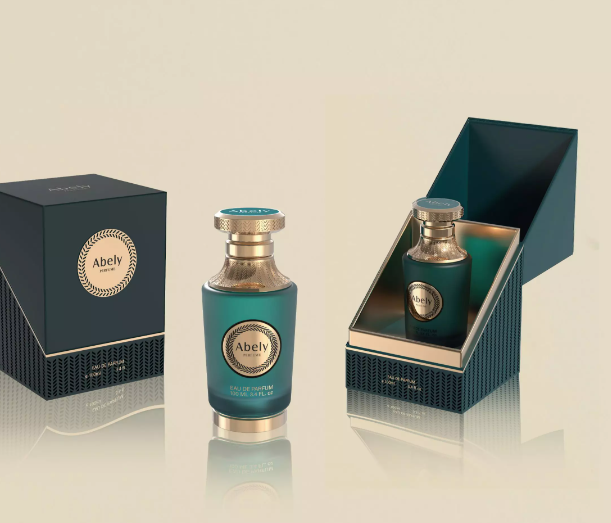
The EU Packaging and Packaging Waste Regulation (PPWR) introduces new requirements affecting how packaging is designed, used, and managed across its lifecycle. For perfume brands selling in the EU, recyclability, material use, packaging minimization, and documentation are becoming important considerations when developing fragrance packaging. For perfume companies entering global markets, understanding these requirements is essential when selecting materials and working with a reliable sustainable perfume packaging supplier.
How EU PPWR Is Changing Packaging Requirements

The PPWR sets a broader framework for reducing packaging waste and improving the sustainability of packaging placed on the EU market. For perfume brands, key considerations include whether packaging can be recycled at scale, whether unnecessary packaging can be reduced, how different materials are combined, and whether packaging information and compliance documentation can be provided when required.
Perfume packaging can combine glass bottles with plastic or metal pumps, caps, labels, coatings, and secondary packaging. These combinations can make recycling more complex, so brands should assess the materials used in each packaging component and consider whether components can be effectively separated, identified, and processed within relevant recycling systems. Choosing sustainable perfume packaging solutions with recyclable materials and thoughtful structural designs can help companies better align with evolving regulations.
Recyclability and Material Selection Become Key Priorities
Recyclability should be considered at the packaging-design stage rather than after production. Brands can evaluate recyclable materials, reduce unnecessary material use, simplify multi-material structures, and review whether decorative treatments or components could interfere with established recycling processes. The appropriate choice should be assessed against the packaging format and the recycling infrastructure available in the target market.
A qualified sustainable perfume packaging supplier can help brands identify suitable materials and develop packaging designs that meet both market expectations and regulatory trends. Beyond environmental benefits, well-designed sustainable packaging can also enhance brand reputation by demonstrating a commitment to responsible business practices.
Abely Perfume provides bespoke perfume packaging solutions, supporting brands with customized bottle and packaging development from design through production.
Building Long-Term Packaging Strategies for Global Markets
To prepare for changing EU requirements, brands should review packaging materials and structures early in product development, identify components that may complicate recycling, and keep relevant material and supplier documentation organized. These checks can reduce the risk of having to redesign packaging later in the product-development cycle.
Preparing Fragrance Packaging for a Sustainable Future
For perfume brands selling in the EU, sustainable packaging planning involves more than selecting recyclable materials. Brands should assess the packaging structure, material combinations, packaging minimization, and applicable documentation requirements. The specific obligations depend on the packaging format and the relevant regulatory provisions.
Working with an experienced perfume packaging supplier such as Abely Perfume during the design stage can help brands review material choices, component compatibility, and packaging specifications before mass production. Early planning can reduce the need for avoidable design changes as regulatory requirements evolve.
