
Residential floor plans are changing, prompting consumers to rethink how they manage everyday items in compact environments. Footwear collections often present a distinct organizational challenge due to varying item sizes and seasonal usage. Retail buyers must evaluate the structural nuances of the furniture they source to meet these diverse needs. Understanding tier mechanics allows procurement teams to build a more functional retail catalog.
Stocking generalized storage units may result in missed sales opportunities. Modern consumers expect specific furniture that accommodates their exact spatial constraints without wasting valuable floor area. Analyzing the distance between shelves and the vertical footprint is crucial for category managers. This meticulous attention to structural detail can help businesses reduce return rates driven by product incompatibility.

Optimizing Shelf Adjustability for Retail Catalogs
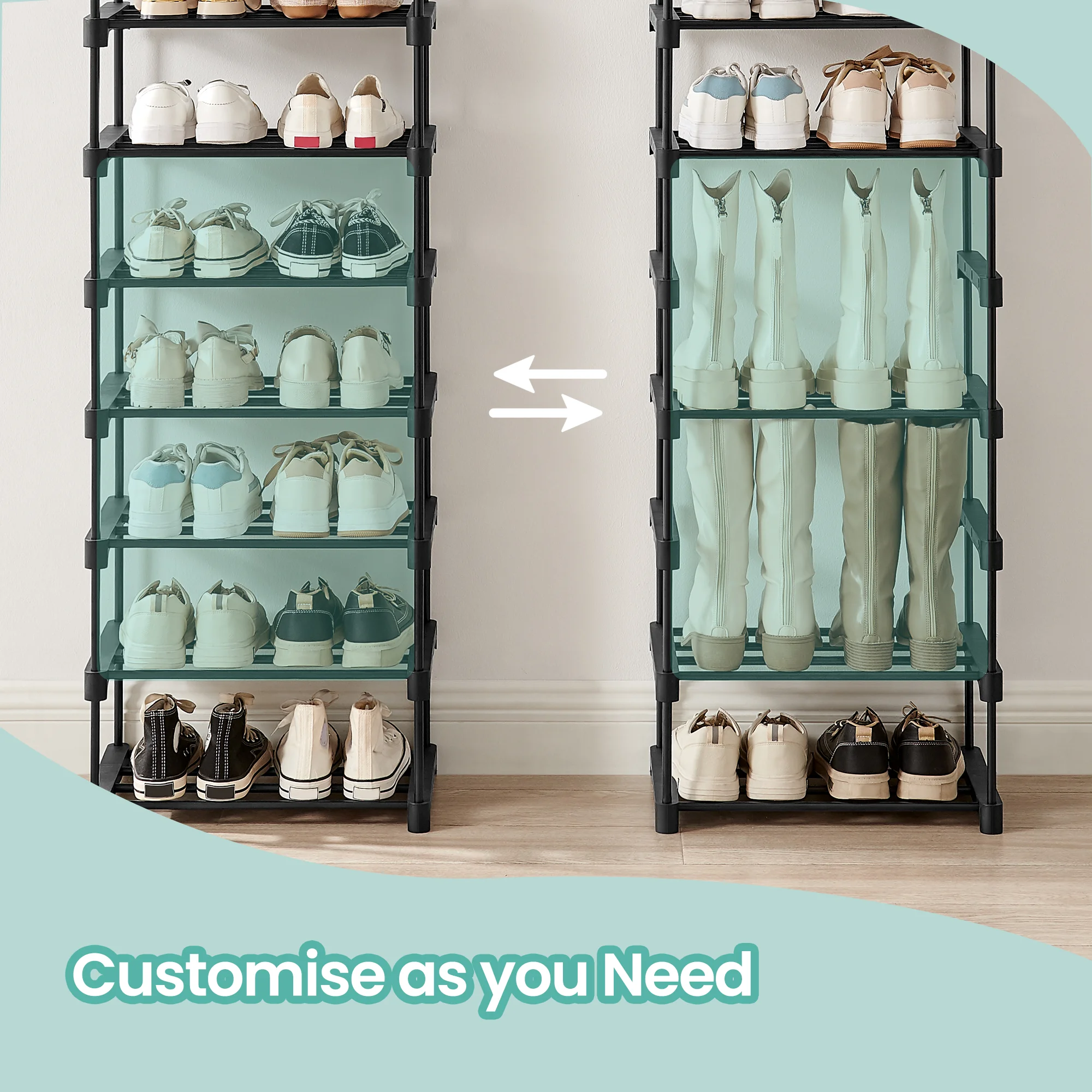
When consumers purchase organizers, they actively evaluate whether the unit can securely hold their specific shoe types. A rack designed with uniform, narrow gaps works well for flats but fails for heavy winter boots. Retail buyers must prioritize adaptable shelf spacing to serve a wider demographic. Providing adjustable tiers is a practical approach to building a versatile, consumer-friendly inventory.
Sourcing adjustable space-saving shoe storage helps retailers address the complexities of modern apartment living. When users can effortlessly customize the distance between metal grates or fabric shelves, the furniture becomes much more valuable. This precise adaptability allows a single SKU to serve multiple buyer personas simultaneously. It functions effectively for students in dormitories or families in suburban homes.
Flexible tier design also supports more efficient visual merchandising in physical retail stores. Showroom designers can seamlessly display high-heeled shoes next to low-profile sneakers on the exact same display unit. This physical demonstration of practical utility strongly encourages shoppers to make an immediate purchase. Highlighting structural adaptability gives sales teams a compelling talking point on the retail floor.
The Merchandising Impact of Tier Configurations
The total number of tiers directly dictates a product’s vertical footprint and its ideal target audience. Low-profile, two-tier racks strongly appeal to urban minimalists needing immediate entryway organization near their front doors. Conversely, towering eight-tier vertical units attract consumers managing extensive personal footwear collections. Balancing a retail portfolio requires stocking a carefully calculated mix of these distinct structural heights.
Procurement teams can utilize highly modular designs to simplify this complex inventory balancing act. Furniture that allows users to independently stack smaller units into taller configurations provides exceptional merchandising flexibility. Instead of sourcing separate low-capacity and high-capacity models, buyers can invest heavily in a single modular system. This sourcing strategy reduces administrative overhead and streamlines warehouse management processes.
Furthermore, modular components often package down into highly compact, flat shipping cartons. This logistical efficiency allows wholesale distributors to load significantly more units into standard ocean shipping containers. Maximizing freight cargo density directly lowers the landed cost associated with each individual item. Careful evaluation of product architecture can therefore strongly protect a retailer’s profit margins during international transit.
Evaluating Shoe Rack Manufacturers and Design Tolerances
Selecting reliable organizational furniture requires vetting established shoe rack manufacturers thoroughly for their underlying engineering capabilities. When structural tiers are designed to be adjustable, the connecting joints undergo repeated mechanical stress during everyday use. Procurement managers should carefully analyze the materials utilized at these critical connection points. Metal reinforcements generally provide longer lifespans and better stability than standard plastic clips.
Consistent manufacturing standards across different tier designs prevent frustrating consumer experiences post-purchase. If shelf inserts fit too tightly or remain excessively loose, the end-user will struggle with daily operation and maintenance. Retail buyers must rigorously evaluate a factory’s internal quality control protocols before committing to large-scale seasonal orders. Consistent structural integrity is vital for maintaining a retailer’s commercial reputation over time.
Integrating SONGMICS HOME into B2B Supply Chains
When mapping global procurement strategies, wholesale businesses often review the capabilities of comprehensive furniture suppliers. SONGMICS HOME operates as an international B2B manufacturer specializing in diverse organizational solutions. Their extensive product portfolio features varied tier designs, fully adjustable shelving mechanisms, and modular stackable units. This extensive catalog allows retail buyers to source highly adaptable storage categories from one unified network.
To actively support their international wholesale partners, they manage an extensive infrastructure of self-owned logistics facilities. These large-scale warehouses are strategically positioned across several key global markets to handle bulk B2B distribution seamlessly. Retailers may find this localized storage capability highly advantageous for streamlining complex inbound freight operations. It helps businesses maintain steady inventory replenishment despite unpredictable regional shipping delays.
Additionally, their internal engineering teams are readily available to support custom product development initiatives. This Original Equipment Manufacturer service allows wholesale clients to request specific shelf clearances or uniquely tailored tier configurations. Adjusting product dimensions to match distinct regional footwear trends helps businesses actively differentiate their retail catalogs. This manufacturing flexibility can strengthen a distributor’s market positioning against local competitors.
Effective category management demands a precise, analytical understanding of physical product utility. Retailers who actively source adjustable, thoughtfully spaced shelving are much better equipped to satisfy shifting consumer expectations. This data-driven approach to procurement prevents valuable working capital from becoming tied up in inflexible, slow-moving inventory. Maintaining operational agility is necessary for navigating the complexities of the modern commercial furniture sector.
Aligning purchasing strategies directly with functional design elements also accelerates retail shelf velocity. When shoppers encounter organizational tools that genuinely fit their spatial constraints and shoe sizes, purchase hesitation drops significantly. Building a highly resilient commercial catalog requires this continuous focus on practical residential mechanics. Optimizing these structural details ensures long-term commercial profitability in a crowded, competitive global retail marketplace.
