
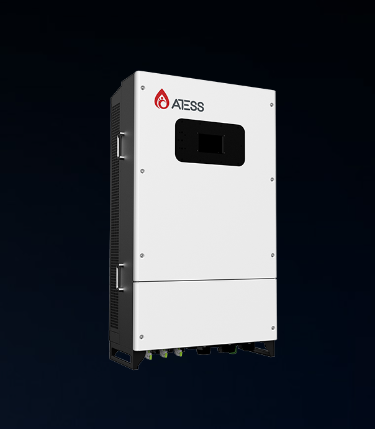
Maintaining a robust energy infrastructure requires consistent attention to performance metrics and hardware reliability. As systems age, they often struggle to manage current electrical demands efficiently. When an installation experiences frequent downtime or fails to optimize energy storage, it is time to examine the current hybrid inverter setup. Atess provides specialized solutions that address these common operational gaps, ensuring that systems remain functional and reliable over time.
Identifying Efficiency Drops
Visible changes in power conversion efficiency serve as primary indicators that hardware requires attention. If the daily energy yield consistently falls below expected thresholds despite favorable weather conditions, the conversion unit might be struggling to process electricity correctly. By integrating a modern solar hybrid inverter, users can reclaim lost efficiency and stabilize their energy output. Atess systems are designed to monitor these subtle declines, allowing operators to make data-driven decisions before total failure occurs.
Capacity and Compatibility Limitations

Infrastructure demands often expand beyond original design specifications. When older units fail to communicate with newer battery chemistries or updated smart grid protocols, they create a bottleneck in the total system capacity. Upgrading to a high-performance hybrid inverter allows for seamless interaction with advanced energy storage technologies. They help ensure that power management remains consistent with evolving energy needs. Through deliberate design, Atess equipment facilitates this integration, providing a stable foundation that supports modern requirements without unnecessary complexity.
Addressing Reliability Concerns
Consistent performance is vital for long-term energy independence. If an installation requires frequent manual resets or demonstrates erratic behavior during peak load periods, the hardware may have reached the end of its reliable service life. Replacing outdated components with a modern solar hybrid inverter restores stability to the entire network. Atess prioritizes durable construction, ensuring that each unit supports continuous, predictable power flows.
When performance data suggests that maintenance is no longer sufficient to maintain operational goals, replacing existing hardware is a logical step. By focusing on compatibility and efficiency, operators can ensure that their energy systems remain effective for years to come. Atess remains committed to providing the necessary components to support these infrastructure updates.
