
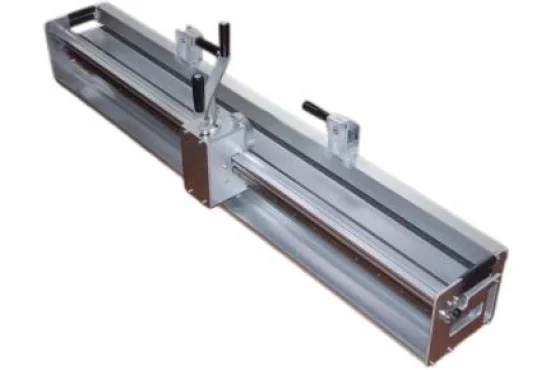
Industrial material handling operations lose significant productivity whenever conveyor lines halt for unexpected belt maintenance. Utilizing a high-capacity hydraulic belt fastener machine can help maintenance teams apply controlled force when installing mechanical fasteners on conveyor belts.
Controlled hydraulic force can help achieve more consistent fastener engagement and streamline the mechanical splicing process, helping maintenance teams reduce disruption during belt repairs.

Mechanics of Conveyor Splicing and Downtime Prevention
Unplanned conveyor shutdowns disrupt upstream processing and downstream sorting workflows across automated production facilities. Rapid mechanical splicing offers a practical alternative to multi-hour thermal vulcanization procedures during critical breakdowns.
Standardizing field equipment around a reliable hydraulic belt fastener machine can help technicians carry out mechanical splice installations more efficiently and support faster maintenance response. A more efficient joint installation process can help limit disruption and support a faster return to normal conveyor operation.
Hydraulics vs Manual Splicing Methods in Heavy-Duty Applications
Manual installation tools demand considerable physical effort and often yield uneven clinch depth across wide conveyor belts. Operating an advanced hydraulic machine removes physical strain while delivering repeatable, high-tonnage compressive force during every cycle.
Consistent mechanical compression prevents fastener legs from remaining raised or under-clinched against belt surfaces. Proper mechanical seat depth protects pulleys, return rollers, and belt scrapers from unnecessary abrasion and impact damage.
Pressure Regulation and Belt Fiber Protection
Excessive manual pounding can crush internal synthetic belt carcasses, weakening overall splice pullout strength over time. Hydraulic systems provide controlled pressure during installation, helping technicians apply fasteners more consistently while limiting unnecessary deformation of the belt. Deploying a hydraulic belt fastener machine preserves elastomeric covers while embedding metallic hooks flush with belting profiles.
Ergonomic Splicing Solutions for Demanding Environments
Field repairs in subterranean mines, high-humidity food processing plants, or cramped logistics hubs present tough working conditions for technicians. Portable tool framing allows maintenance teams to set up a compact hydraulic machine directly inside tight conveyor structures.
Automated clamping sequences streamline step-by-step installation routines, minimizing manual fatigue during lengthy shift repairs. Reduced operator fatigue translates directly to consistent splice quality across multi-belt maintenance projects. Lightweight yet rugged tool designs also enable single-person operation in confined spaces, eliminating the need for additional crew members just to maneuver the equipment—a critical advantage when access is restricted or labor resources are stretched across multiple repair sites.
Uniform Clinch Geometry and Load Distribution
Splice durability relies on uniform force distribution across every individual hook point along the joint line. Utilizing a heavy-duty hydraulic belt fastener machine ensures that all fastener points bite into belting fabrics at equal depths simultaneously. This synchronized clinching action eliminates weak spots where uneven pressure would otherwise create stress risers—the common origin points for progressive splice failure.
Evenly distributed joint holding power resists dynamic tension spikes during heavy conveyor startup cycles. Balanced load sharing prevents localized edge tearing, extending overall belt operational lifespan under continuous loading. By maintaining consistent clamp force across the entire splice width, the fastener system also reduces the need for frequent re-tensioning adjustments, allowing maintenance intervals to be extended with confidence.
Equipment Versatility across Industrial Sectors
Heavy-duty material transport relies on diverse conveyor belt constructions, ranging from thin food-grade belts to thick multi-ply rubberized mining belts. Hydraulic installation equipment can be selected according to the belt and fastener requirements of different conveyor applications.
Adapting pressure profiles allows facility managers to use a unified tooling system across multiple production lines. Flexible equipment integration simplifies tool maintenance and standardizes technician training routines across large plant sites. This cross-platform versatility also means that a single investment in high-quality hydraulic tooling delivers returns across the entire plant—from packaging lines to bulk handling conveyors—eliminating the need for application-specific machinery purchases and reducing overall capital equipment expenditure.
Field Applications of Specialized Fastening Machinery
Field performance depends on selecting equipment tailored to specific industrial environment demands. Integrating the Hydraulic Belt Fastener Machine developed by Intake provides a reliable method to execute high-precision belt joint installations in heavy-duty environments.
Engineered frame alignment guides fasteners precisely onto belting ends before hydraulic pressure initiates. Tools supplied by Intake support smooth mechanical transitions, reducing system vibration as joined belting passes over high-speed drive drums.
Long-Term Overhead Reduction and Asset Longevity
Investing in precise splicing machinery reduces long-term operational expenditure by extending both fastener and belting service lifespans. Utilizing the specialized Hydraulic Belt Fastener Machine minimizes premature joint separation, lowering overall replacement hardware consumption.
Hardware options sourced through Intake provide structural reliability across demanding material handling networks. Preventing unexpected joint pull-outs maintains continuous throughput across automated sorting and bulk handling facilities.
Conclusion
Evaluating maintenance tooling through fluid pressure precision, ergonomic efficiency, and structural splice integrity reveals clear pathways to reduced outage duration. Technical procurement teams preserve continuous processing performance by adopting high-capacity hydraulic splicing equipment designed for quick, dependable belt fastening.
