
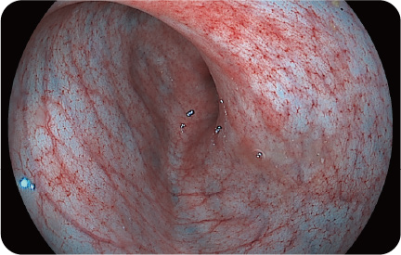
Medical professionals rely on sophisticated internal imaging to perform minimally invasive diagnostics and surgical interventions with high accuracy. An endoscope machine functions as a comprehensive visualization system, integrating light sources, camera processors, and display monitors to reveal the internal structures of the body. By inserting a flexible or rigid tube equipped with a lens into a natural orifice or a small incision, the system transmits real-time, high-definition footage to the clinical team. This technology allows for the direct inspection of organs such as the stomach, lungs, or colon without the need for large surgical openings. The process ensures that physicians can identify pathologies or perform delicate biopsies while minimizing physical trauma to the patient.
Light Transmission and Image Capture

The core functionality of a modern endoscope begins with the efficient delivery of light into dark internal cavities. Fiber optic bundles or high-intensity LED systems situated at the tip of the insertion tube illuminate the target tissue, ensuring that the camera sensor can capture every detail. As the light reflects off the mucosal lining, the optical lens at the distal end focuses the image onto a digital sensor, which then converts the light into electronic signals. In the systems provided by COMEN, these signals are processed instantly to produce a clear, lag-free video stream. This level of clarity is vital for distinguishing between healthy tissue and early-stage lesions that might be invisible under lower-quality illumination.
Signal Processing and Management
Once the digital data reaches the main unit of the endoscope machine, complex algorithms enhance the image quality to assist in clinical decision-making. These processors adjust the color balance, contrast, and sharpness to provide a more realistic representation of the internal environment. Many systems also include narrow-band imaging or electronic chromoendoscopy features, which highlight vascular patterns and surface textures for more accurate diagnoses. The centralized control unit allows the operator to freeze frames, record video, and manage patient data directly through the interface. This integration of hardware and software streamlines the diagnostic workflow, allowing for a thorough evaluation of the patient’s condition in a single session.
Mechanical Articulation and Tool Integration
Maneuverability is a key aspect of how an endoscope navigates the complex curvatures of the human anatomy. The insertion tube is designed with a high degree of flexibility and is controlled by a handle that allows for precise angulation of the tip. This enables the practitioner to view hidden corners of the digestive or respiratory tracts that would otherwise be inaccessible. Furthermore, the device often features a dedicated working channel through which specialized instruments can be passed to perform therapeutic tasks. Whether it is removing a polyp or cauterizing a bleeding vessel, the combination of mechanical control and high-resolution imaging makes the system an essential tool in modern operative rooms and diagnostic suites.
The technical architecture of these imaging systems represents a significant advancement in the field of non-invasive medicine. Through their diverse endoscopy product lines, COMEN provides the infrastructure necessary for hospitals to conduct detailed internal examinations with confidence. These machines integrate high-performance optics with ergonomic mechanical designs to support a wide range of clinical applications. By providing clear visualization and reliable tool access, the equipment plays a critical role in early disease detection and the success of outpatient procedures. Maintaining such high standards of engineering ensures that healthcare providers can continue to deliver precise care to their patients.
