
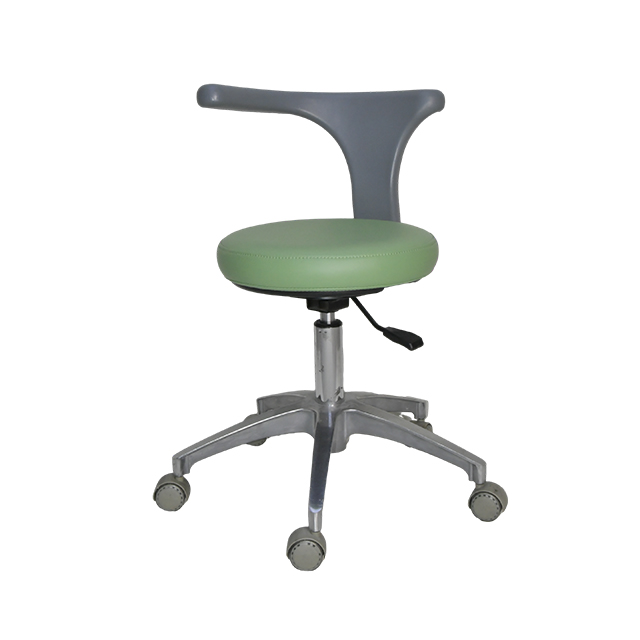
Evaluating clinical equipment pricing requires analyzing long-term durability, structural safety, and daily user comfort. Commercial buyers across the healthcare sector must weigh upfront procurement costs against extended operational lifespans when sourcing essential operatory furniture for modern dental practices and surgical facilities.
Price variation in clinical seating often reflects underlying engineering quality, research investment, and component resilience. While basic seating options feature low initial acquisition costs, specialized units engineered for prolonged clinical shifts command higher wholesale values due to superior material standards and ergonomics.

Understanding these fundamental cost drivers allows facility directors to allocate procurement budgets with confidence. Investing in properly designed equipment prevents frequent replacement cycles while supporting the physical health of practicing clinicians across demanding, high-volume patient care schedules every single day.
Material Standards and Engineering Impact
High-density cushion formulations directly influence initial unit costs and long-term mechanical performance. Advanced memory foams retain structural integrity under continuous daily usage, offering consistent pelvic support without sagging, flattening, or hardening after extended periods of static sitting in the operatory.
Premium synthetic upholstery materials represent another primary manufacturing expenditure for quality seating. Specialized medical-grade leather resists harsh chemical sanitizers and fluids, effectively preventing surface cracking, peeling, and color degradation caused by rigorous infection control protocols across busy operatory environments.
Mechanical framework components significantly impact total production expenditures and overall equipment safety. A high-quality dental stool utilizes heavy-duty cast aluminum bases and smooth-rolling casters, ensuring seamless maneuverability without sacrificing overall frame stability during delicate restorative procedures and surgical interventions.
Internal hydraulic elevation columns also account for notable pricing differences across commercial models. Precision-engineered gas springs deliver smooth, reliable height adjustments, comfortably accommodating diverse practitioner heights while maintaining steady internal pressure over many years of continuous clinical utility and heavy usage.
Evaluating Ergonomic Dental Stool Features and Customization
Advanced articulation systems increase overall manufacturing complexity and final commercial wholesale pricing. Incorporating multi-directional torso supports allows clinicians to pivot smoothly, maintaining proper spinal alignment whether working in abdominal or lumbar stabilization positions throughout complex, multi-hour clinical procedures.
Customization options, such as elevated foot rings and adjustable armrests, add functional value to clinical furniture setups. Equipment produced by Roson demonstrates how integrated foot support stabilizes lower-body posture, effectively reducing static leg pressure during lengthy restorative and surgical interventions.
The inclusion of a specialized dentist stool ergonomic feature set ensures optimal weight distribution across the pelvis. Superior pelvic support prevents localized muscle strain, allowing practitioners to work comfortably through long clinical schedules without experiencing severe physical fatigue or discomfort.
Facilities that prioritize adaptable seating mechanisms notice marked improvements in daily operatory efficiency. Flexible adjustment controls allow rotating operators to customize seat tilt and elevation instantly, streamlining clinical workflow transitions between consecutive patient appointments and treatment rooms across the practice.
Quality Management and Manufacturing Precision
Rigorous quality management protocols directly contribute to final commercial product pricing and reliability. Facilities operating under certified ISO quality standards implement strict quality control procedures at every assembly stage, guaranteeing consistent build quality and structural integrity across large bulk export orders.
Digital production tracking technology implemented by Roson provides complete component traceability during assembly operations. Traceable manufacturing processes dramatically reduce component defect rates, ensuring that every finished unit meets stringent international medical safety, environmental, and performance benchmarks prior to shipping.
Investing in specialized tooling and custom manufacturing molds requires substantial upfront capital expenditure from producers. Higher initial development costs yield refined product designs, exceptional joint tolerances, and improved long-term mechanical reliability for end-users operating busy, high-volume dental practices.
Products holding recognized international safety certifications, such as CE marks, offer verified compliance for institutional buyers. Rigorous compliance testing adds to total production expenditures but guarantees that clinical equipment satisfies strict global healthcare directives and workplace safety regulations.
Calculating Total Cost of Ownership and ROI
B2B equipment buyers must evaluate total cost of ownership rather than focusing solely on initial acquisition prices. Durable furniture drastically reduces maintenance expenses and prevents unexpected operatory downtime, delivering a highly favorable return on investment over multi-year operational cycles.
Sourcing a well-engineered dentist stool ergonomic design mitigates occupational strain among clinical support personnel. Reducing physical discomfort lowers staff absenteeism, improves retention, and supports clinician longevity, representing a crucial long-term financial benefit for expanding dental practices and multi-clinic healthcare organizations.
Supply chain efficiency and reliable distributor support networks also shape commercial equipment pricing structures. Established manufacturers like Roson maintain stable component supply chains, providing prompt after-sales technical assistance and readily available replacement parts for global commercial clients and distribution partners.
Comprehensive warranty coverage further protects institutional capital investments against unexpected mechanical component wear. Clear, reliable warranty terms reflect manufacturer confidence in product durability while offering procurement teams transparent financial predictability for future facility maintenance and equipment replacement budgets.
Strategic Procurement Decisions for Dental Organizations
Selecting appropriate clinical seating involves balancing immediate financial constraints with long-term performance requirements. Thorough evaluation of material specifications, mechanical features, and manufacturing certifications guides purchasing decisions toward optimal value, ensuring long-term satisfaction for both clinicians and management.
Standardizing high-quality seating configurations across all operatories establishes consistent working conditions for clinical teams. When every operatory features a dependable dental stool, practitioners experience uniform ergonomic comfort, enhancing overall operational consistency, team focus, and clinical safety across the entire facility.
Ultimately, investing in robustly designed equipment strengthens practice infrastructure and supports sustainable business growth. Partnering with established, quality-focused manufacturers like Roson ensures ongoing access to reliable, cost-effective seating solutions built specifically for modern healthcare demands and rigorous professional usage.
