
Selecting the appropriate display for a hospital patient monitor can significantly impact clinical workflow and patient care. Screen size influences how easily healthcare professionals can read vital data, interact with device functions, and respond to changing patient status. Understanding the role of display dimensions helps medical teams decide which device best fits their environment.
Why Screen Size Matters in Clinical Use
The screen on a hospital patient monitor serves as the central interface for viewing key parameters such as blood pressure, SpO2, pulse rate, and temperature. Larger screens can present more information at once, reducing the need to scroll or switch modes during busy shifts. In critical care areas where quick interpretation of data is essential, a well-sized display allows nurses and physicians to maintain situational awareness without strain or delay. Conversely, overly large displays might be unnecessary for routine checks or settings where mobility and compactness take priority.
Balancing Portability and Visibility

For devices like the portable vital signs monitor, the balance between screen size and portability becomes even more important. Smaller screens can make a monitor easier to transport between wards or during rapid assessments, but they must still offer sufficient clarity for accurate readings. An ideal screen strikes a balance: it is large enough to display essential vitals clearly yet compact enough to remain lightweight and maneuverable. Good visibility reduces errors and supports faster decision-making.
Optimizing Your Choice with EDAN Devices
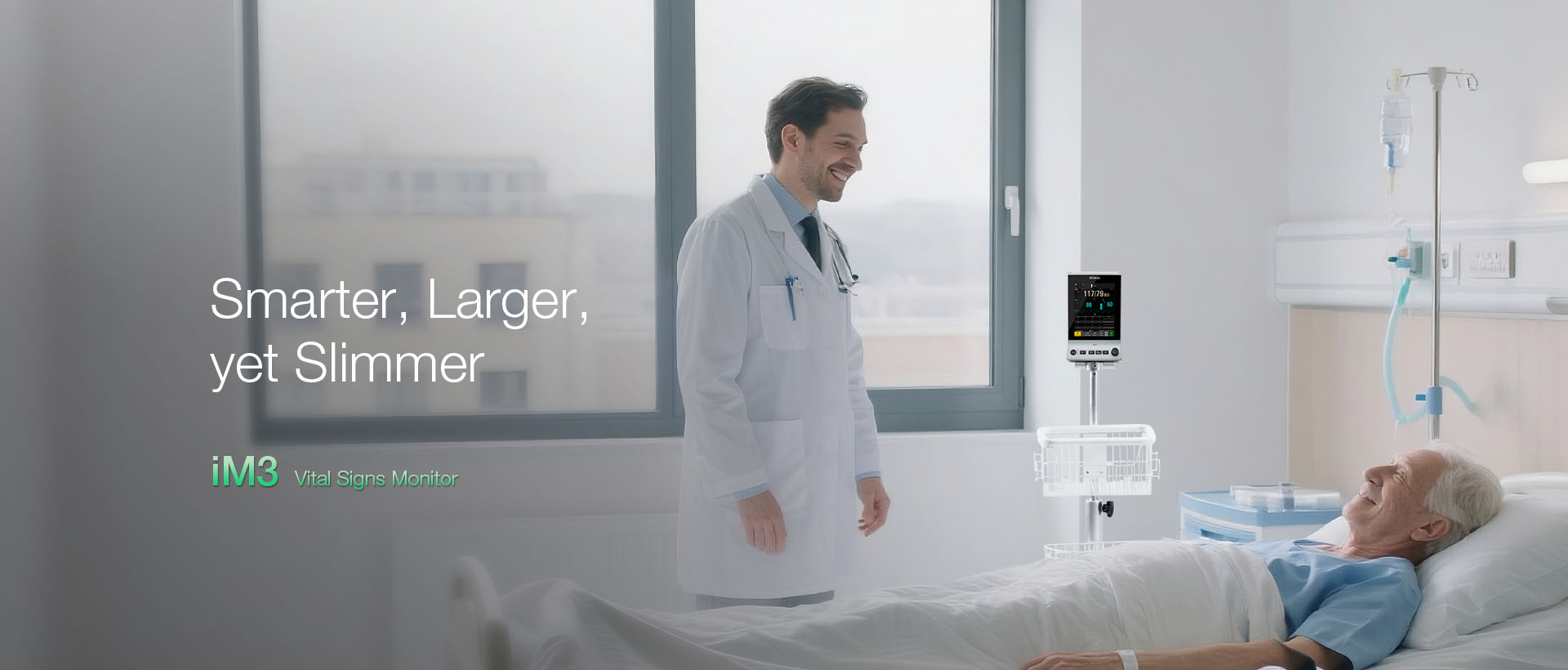
When evaluating options, consider products like the EDAN iM3 Vital Signs Monitor from EDAN. This monitor features an 8-inch high-resolution touchscreen that delivers readable and responsive visuals without compromising its portability. The well-sized screen allows clinicians to view multiple parameters simultaneously and interact intuitively with the interface. For healthcare settings that range from general wards to spot checks, this size offers a practical blend of visibility and convenience, helping teams work more efficiently and confidently.
Conclusion
Choosing the right screen size for your portable vital signs monitor should be guided by your clinical needs, workflow demands, and mobility requirements. A display that enhances readability without hindering portability supports better patient care and daily operations. Considering devices like the EDAN iM3 can help health professionals make an informed decision that aligns with both performance expectations and practical use.
