
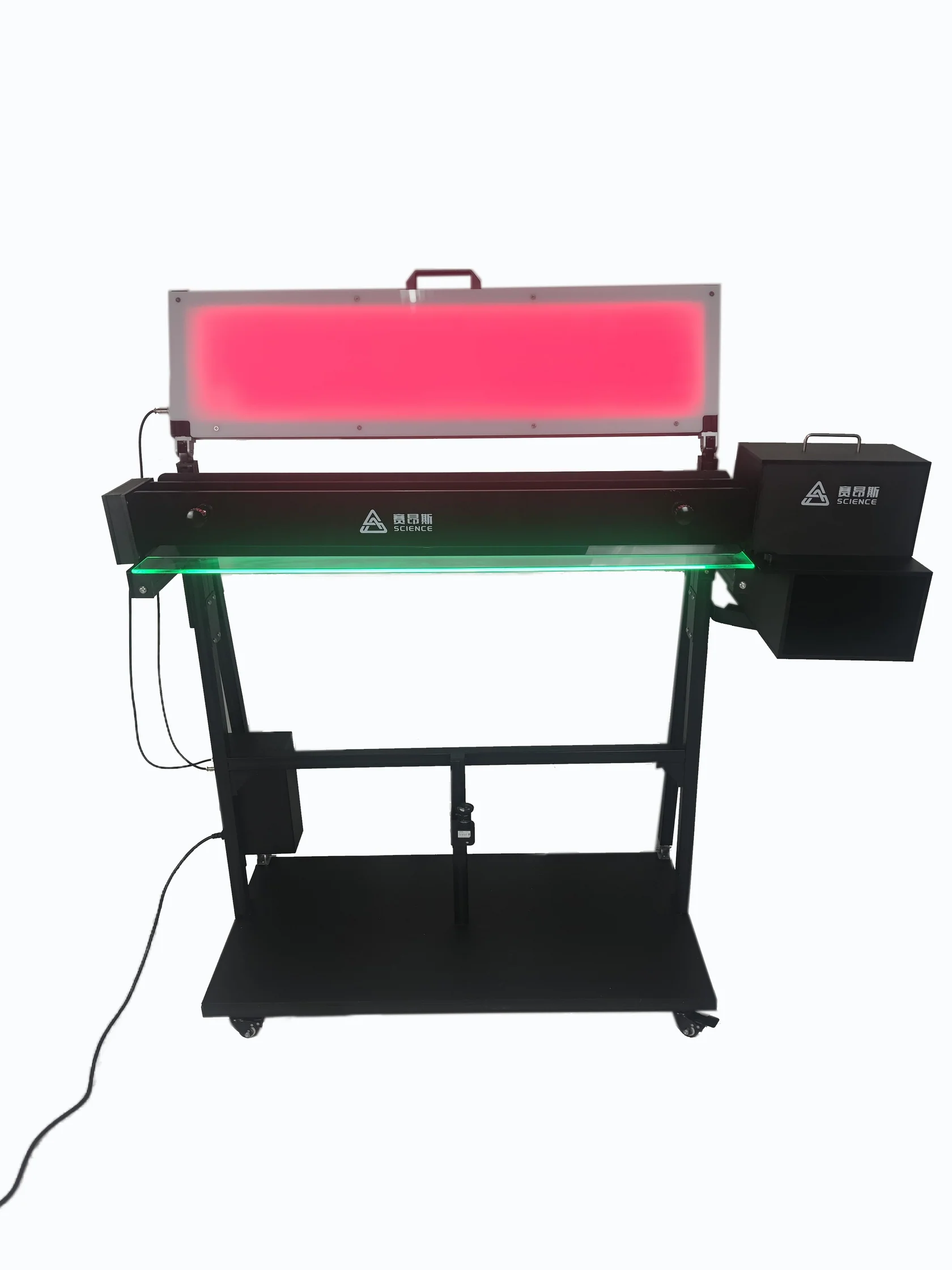
Gait analysis has emerged as a pivotal research method for understanding the changes in locomotion patterns that occur with aging. By studying how rodents, particularly rats, walk, researchers can identify the underlying factors contributing to gait abnormalities and the broader implications for neurodegenerative diseases. This powerful tool offers insights into motor coordination, balance, and overall health in aging rodent models, leading to a better understanding of age-related challenges.
The Importance of Rat Gait Analysis in Aging Research
Rat gait analysis provides a detailed examination of walking patterns, making it crucial for studies focused on aging. Given the significant role that locomotion plays in the overall quality of life, understanding how aging affects gait can help in designing interventions aimed at improving mobility in elderly populations.
The Rodent Gait Analysis System offered by BPLabLine exemplifies an advanced approach to this research. This complete system features a high-definition camera, lighting setup, and a specialized walkway, allowing for sensitive and quantitative assessment of locomotion. By recording and analyzing over 100 parameters, researchers can gain invaluable insights into the biomechanics of walking.

Gait analysis enables scientists to monitor various aspects of locomotive performance, including interfoot distance, swing phase duration, and stance ratio. As rodents age, researchers often observe alterations in these parameters, providing critical data on how aging affects motor coordination. For instance, aging is known to lead to increased stiffness and reduced coordination, factors regularly evaluated using rat gait analysis.
Evaluating Neurodegenerative Diseases Through Gait Analysis
In addition to studying the effects of aging itself, the use of gait analysis rodents can significantly contribute to understanding neurodegenerative diseases, such as Parkinson’s disease. As these conditions can lead to notable changes in movement and coordination, longitudinal studies using this specialized model allow researchers to assess the progression of these diseases over time.
The flexibility of BPLabLine’s equipment, including features like optional sound stimulation and video recording that automates data collection, enhances experimental efficiency. Rodents can walk naturally, thus ensuring that the observed behaviors closely resemble real-life conditions without inducing stress or forcing movements. This naturalistic setting is essential for obtaining reliable data, especially when evaluating treatment effects.
Furthermore, the system’s AI-assisted algorithms increase the accuracy of measurements, allowing for precise identification of gait abnormalities. Researchers can conduct frame-by-frame analysis, enabling them to pinpoint subtle changes in locomotion that may indicate emerging neurodegenerative issues.
Advancing Research with Gait Analysis
In summary, gait analysis plays a vital role in aging studies with rodents, providing critical insights into how various factors influence locomotion as animals age. The rat gait analysis system from BPLabLine aids researchers in examining the biomechanics of walking, yielding valuable data for understanding both normal aging and its connection to neurodegenerative diseases.
By leveraging advanced gait analysis technologies, scientists can make strides in understanding locomotion issues in aging populations, paving the way for enhanced therapeutic strategies and improved quality of life. The continued exploration of these methods will undoubtedly enrich the field of aging research and confront the challenges posed by age-related mobility issues.
