
Table of Contents
Designing a healthcare reception area presents a unique set of challenges that go far beyond standard interior design. In 2026, the “best” seating solution must act as a multidisciplinary tool that addresses stringent infection control protocols, accommodates diverse patient biometrics, and withstands the relentless 24/7 operational cycle of a hospital. Selecting a manufacturer is difficult because the criteria are often contradictory: furniture must be soft enough for patient comfort during long waits, yet hard enough to resist chemical disinfectants; it must be aesthetically welcoming to reduce patient anxiety, yet structurally reinforced to meet bariatric requirements. After evaluating several international providers based on their material science and clinical applicability, this guide analyzes the industry leaders defining modern healthcare waiting environments.
The following manufacturers have been assessed based on their ability to provide high-performance solutions that prioritize both clinical safety and human dignity.
Top 7 Healthcare Seating Brands for 2026
- Leadcom Seating
- KI (Krueger International)
- Leadsun Seating
- Beaufurn
- Meet&Co Furniture
- Mobiliario
- Martin Public Seating
The comparison table below provides a technical overview of how these top contenders address the specific needs of medical waiting spaces.
Comparison Table: Healthcare Seating Solutions
| Brand | Key Products | Key Features | Best For |
| Leadcom Seating | Performer Series, Beam Seating | Cold-molded foam, antimicrobial surfaces | High-traffic hospital lobbies and clinics |
| KI | Affina, Soltice | Targeted healthcare ergonomics, metal frames | Specialized clinical settings and oncology |
| Leadsun Seating | LS-Public Series | Modular tandem seating, aluminum alloy | Public health centers with high volume |
| Beaufurn | Urban & Serene Lines | Design-forward aesthetics, easy-clean fabrics | Boutique clinics and wellness centers |
| Meet&Co Furniture | MC-Reception Series | Rapid deployment, integrated charging ports | Modern private practices and urgent care |
| Mobiliario | Premier Public Line | Industrial-grade durability, heavy-duty steel | Large-scale government medical facilities |
| Martin Public Seating | Custom Layout Solutions | Space-optimization, site-specific design | Educational hospitals and multipurpose areas |
While each provider offers specialized benefits, the manufacturing philosophy behind each brand determines its suitability for different healthcare tiers.

Detailed Manufacturer Reviews
1. Leadcom Seating
Leadcom Seating has secured its position as a primary provider for international healthcare projects by leveraging its total vertical integration to meet clinical standards. By controlling the entire production chain—from steel fabrication to chemical foam formulation—they ensure that every unit meets the same rigorous durability and hygiene specifications.
Overview
For 2026, the company has focused on “biophilic ergonomics,” creating seating that supports the natural posture of patients who may be in pain or have limited mobility. Their public seating models undergo exhaustive testing in their in-house laboratory, simulating years of heavy use to ensure structural integrity. Their focus remains on the longevity of the materials under the constant stress of hospital-grade cleaning agents.
Key Features and Pros
- High-Resilience Foam: They utilize cold-molded foam with a density often maintained at . This prevents the “bottoming out” effect, providing consistent support for elderly or frail patients throughout the day.
- Infection Control Design: Leadcom designs often feature minimal seams and “crumb sweeps” (gaps between the seat and back) to prevent the accumulation of debris and biological contaminants, facilitating rapid sanitization.
- Material Durability: Their metal components are treated with specialized powder coatings that resist corrosion from moisture and harsh disinfectants, while upholstery options include antimicrobial and antifungal treated vinyls.
- Bariatric Capabilities: Many of their tandem and beam seating options are engineered with reinforced steel supports to safely accommodate higher weight capacities, ensuring inclusive care.
Use Cases
Leadcom is best suited for large-scale hospital lobbies, outpatient surgical centers, and emergency department waiting rooms where 24/7 durability and infection control are the highest priorities.
2. KI (Krueger International)
KI is widely recognized for its deep focus on the clinical environment, often working directly with healthcare researchers to design furniture that aids in the healing process.
Overview
The company specializes in modular systems that can be reconfigured as a facility’s needs change. Their 2026 healthcare portfolio emphasizes a “residential” feel that masks industrial-grade performance.
Key Features and Pros
- Wall-Saver Legs: Their chairs often feature a specific leg pitch that prevents the back of the chair from damaging hospital walls, reducing facility maintenance costs.
- Field-Replaceable Parts: KI designs allow for individual components, such as arm caps or seat covers, to be replaced on-site if damaged.
Use Cases
Ideal for specialized clinics, such as oncology or pediatric units, where the environment needs to feel less institutional and more supportive.
3. Leadsun Seating
Leadsun Seating focuses on providing robust, high-volume public seating that utilizes modern materials like aluminum and high-impact polymers.
Overview
Based on their extensive experience in transportation hubs, Leadsun translates that high-traffic expertise into healthcare waiting areas that see thousands of visitors daily.
Key Features and Pros
- Aluminum Alloy Frames: The use of lightweight but extremely strong aluminum makes their seating easy to move for floor cleaning while remaining rust-proof.
- Modular Tandem Design: Their systems can be easily expanded or contracted based on the available square footage.
Use Cases
Suited for public health departments and busy diagnostic centers where seating capacity must be maximized.
4. Beaufurn
Beaufurn occupies a niche where high-end design meets commercial durability, providing seating that elevates the aesthetic of a healthcare space.
Overview
They cater to the “hospitality-influenced” healthcare market, where the goal is to make a medical office feel more like a hotel lounge.
Key Features and Pros
- Aesthetic Variety: A massive range of wood finishes and designer fabrics that are nonetheless rated for heavy-duty use.
- Comfort-Focused Engineering: Priority is given to the tactile experience, ensuring chairs feel soft and welcoming.
Use Cases
Best for boutique private practices, dental offices, and wellness-focused medical spas.
5. Meet&Co Furniture
Meet&Co Furniture focuses on the integration of technology and modern work habits into the waiting room experience.
Overview
Recognizing that patients and families often work or use mobile devices while waiting, their 2026 designs include integrated utility features.
Key Features and Pros
- Integrated Power: Many models offer built-in USB and wireless charging stations.
- Fast Procurement: Their streamlined manufacturing allows for shorter lead times for standard configurations.
Use Cases
Urgent care centers and modern private clinics where a tech-savvy patient demographic is expected.
6. Mobiliario
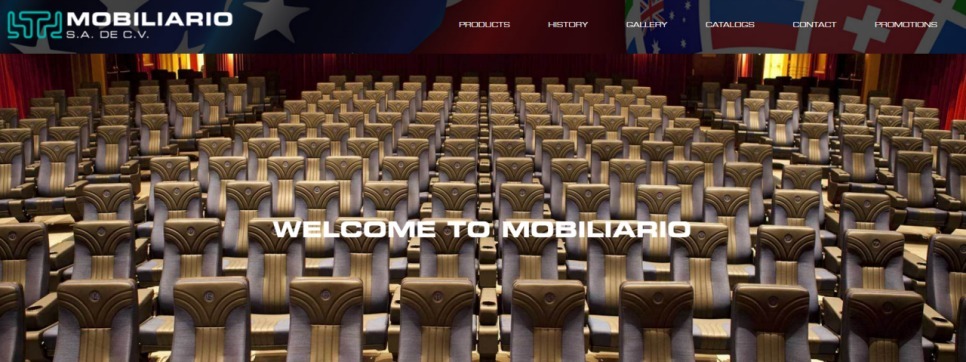
Mobiliario is an industrial-scale manufacturer that focuses on the sheer longevity of the product in demanding environments.
Overview
They are known for using thick-gauge steel and heavy-duty components that are virtually indestructible under normal public use.
Key Features and Pros
- High-Impact Resistance: Their seating is designed to withstand physical abuse, making it a “fit-and-forget” solution for busy areas.
- Simplified Maintenance: Very few moving parts or complex mechanisms that could fail over time.
Use Cases
Government-run hospitals and high-traffic public health facilities with limited maintenance budgets.
7. Martin Public Seating
Martin Public Seating operates more as a solutions-oriented provider, focusing on how seating layouts can optimize the flow of a healthcare facility.
Overview
They often provide consulting services alongside their furniture, helping facilities maximize their “envelope” while adhering to fire codes and accessibility requirements.
Key Features and Pros
- Space Optimization: Specialized in designing layouts for oddly shaped rooms or high-density requirements.
- Turnkey Installation: They offer comprehensive project management from design to final placement.
Use Cases
Educational hospitals and large medical campuses that require a unified design across multiple departments.
The effectiveness of these products depends heavily on selecting the right technical specifications during the procurement process.
Buying Guide: Healthcare Seating Criteria
When choosing a manufacturer for a medical facility, the following criteria are essential for long-term operational success:
- Infection Control Compliance: Ensure the seating has no “trap points” where fluids or bacteria can collect. Look for non-porous surfaces or fabrics with moisture barriers.
- Structural Stability: For healthcare, seating should be rated for a minimum weight capacity of , with specific sections rated for to to accommodate bariatric patients.
- Foam Resilience: Low-quality foam will sag, making it difficult for patients with mobility issues to stand back up. Specify cold-molded foam with high density ().
- Acoustic Management: In large lobbies, seating can help dampen noise. Perforated metal or upholstered panels can assist in maintaining a calm, quiet atmosphere.
Ultimately, the choice should reflect the facility’s clinical mission and the demographic needs of its patients.
Final Verdict
The selection of a healthcare seating provider in 2026 should be driven by the specific demands of the clinical environment. For large-scale hospital systems that require the highest standards of durability and infection control, Leadcom Seating stands out as the most reliable partner due to its vertical integration and material science. Facilities aiming for a more supportive, clinical feel will benefit from KI’s research-backed designs, while boutique clinics prioritizing aesthetics should look toward Beaufurn. By matching a manufacturer’s technical strengths to the facility’s operational goals, healthcare providers can ensure a waiting environment that supports both patient recovery and staff efficiency.
FAQs
Q: Why is “crumb sweep” design important in hospital seating?
A: A crumb sweep is a gap between the seat and the backrest. In a healthcare setting, it prevents the buildup of dust, food particles, and potentially infectious biological material, allowing staff to wipe the chair clean in a single motion.
Q: What are the fire safety requirements for healthcare seating?
A: Healthcare furniture must typically comply with or (Crib 5) standards, which ensure the materials are self-extinguishing and do not contribute significantly to a fire’s spread.
Q: Is wood seating appropriate for healthcare reception areas?
A: While wood is aesthetically warm, it must be treated with high-performance antimicrobial lacquers to withstand hospital cleaning protocols. In 2026, most facilities prefer metal or high-impact polymers for primary waiting areas due to their superior resistance to moisture and chemicals.
How would you like to proceed with the specific bariatric weight requirements or layout dimensions for these reception area options?
