
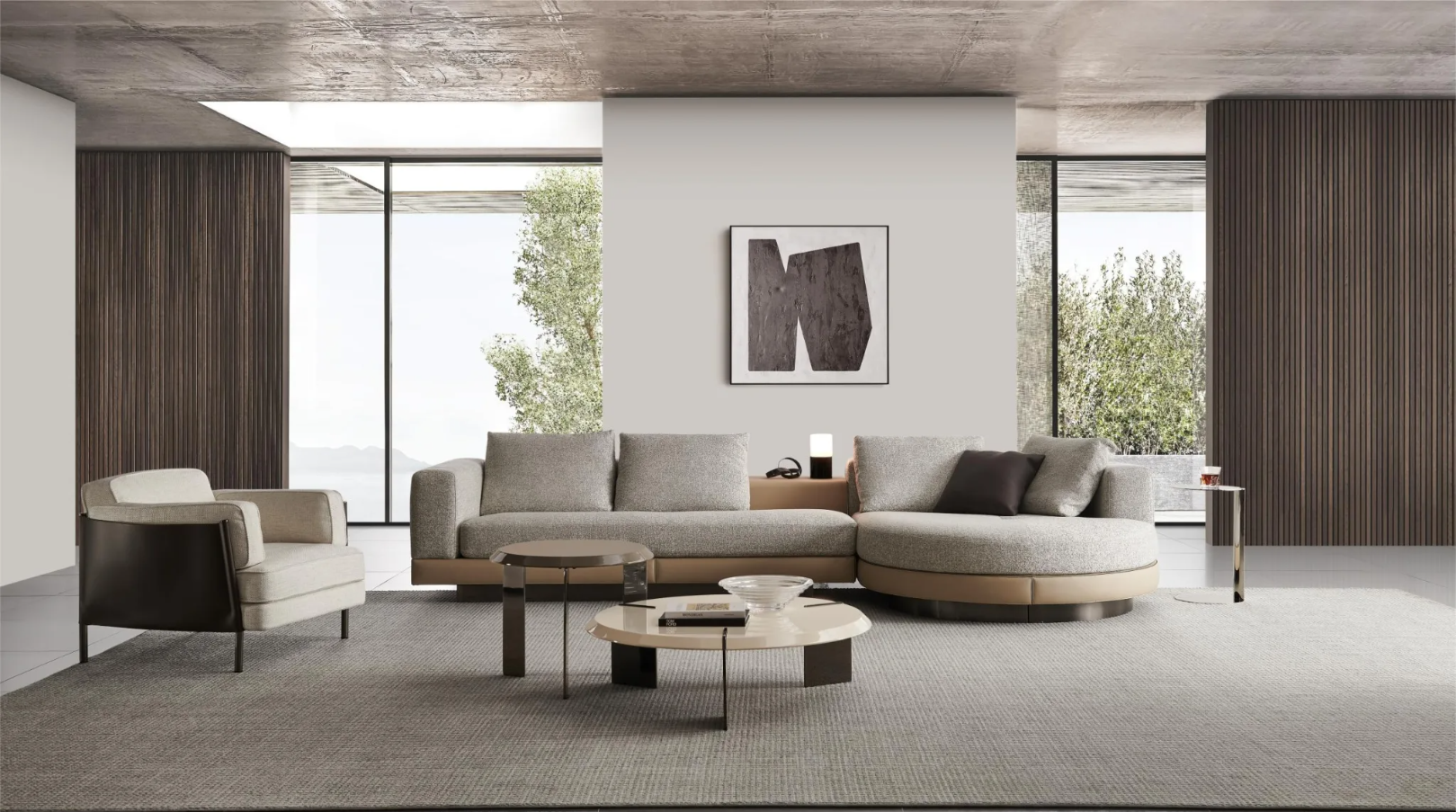
Creating a coordinated residence requires more than choosing furniture for each room separately. A complete home needs a clear connection between spaces, including colors, materials, layouts, and practical functions. Whole house customization allows homeowners to build a consistent design direction while keeping each area suitable for daily use. Similar planning principles can also be applied to commercial spaces, where high end restaurant furniture requires careful consideration of style, comfort, and functionality.
For homeowners, interior designers, and turnkey project contractors, early planning can reduce design conflicts and improve the overall result. Thoughtful furniture decisions help create a home environment that feels balanced and comfortable over time.
How to Plan the Overall Style Before Furniture Selection

Before starting a customization project, defining the overall style is an important step. Modern, classic, minimalist, and natural designs require different choices in materials, finishes, and furniture structures. A clear style direction helps guide decisions throughout the project.
A coordinated home does not mean every room should have identical furniture. Different spaces can maintain their own functions while sharing common elements, such as similar wood tones, colors, textures, or decorative details.
Material selection also affects the atmosphere of a residence. Wood, metal, glass, and fabric create different visual impressions. Choosing materials that work together can make separate rooms feel connected rather than independent.
Why Function Matters in Customized Residential Spaces
Furniture customization should consider daily habits as well as appearance. Room dimensions, storage requirements, movement paths, and lifestyle preferences all influence the final design. Practical furniture planning helps residents use each area more comfortably.
For example, a living room for family activities may require flexible seating arrangements, while a home office may need customized storage and working space. Bedrooms often require solutions that balance relaxation with organization.
Professional designers usually communicate with clients through drawings, samples, and design adjustments. This process allows furniture details to match the actual environment and reduces unexpected changes during production.
Ways to Connect Different Areas Through Design Details
A well-planned residence creates visual connections between different rooms. The entrance, living room, dining area, and private spaces should have their own purposes while maintaining an overall design relationship.
Color coordination is one practical method to achieve consistency. Similar finishes or complementary tones can help different areas feel like part of the same home. Furniture shapes, hardware details, and surface textures can also strengthen the connection.
For projects that include hospitality-style spaces, furniture planning requires additional attention to durability and layout. BFP Furniture provides customized furniture solutions for residential and commercial applications. They focus on matching furniture designs with different project requirements instead of using a single fixed style.
How Custom Solutions Fit Different Applications
Furniture requirements change according to the environment. Residential projects often focus on personal preferences, comfort, and long-term living needs. Commercial spaces usually require additional consideration of traffic flow, maintenance, and operational conditions.
Restaurant environments show how furniture choices influence space planning. A steakhouse, café, lounge, or outdoor dining area may require different materials and layouts according to its concept and customer flow.
BFP Furniture specializes in tailored restaurant furniture solutions. They create customized pieces for different restaurant concepts, including dining spaces, cafés, and hospitality environments. Their approach combines design coordination with practical requirements for daily operation.
When selecting high end restaurant furniture, project teams usually review seating comfort, material performance, maintenance needs, and interior coordination. These factors help create dining spaces that support both business operation and customer experience.
What to Consider When Managing Budget and Quality
Budget planning is an important part of whole house customization. A clear understanding of priorities helps homeowners and designers decide where customized solutions can bring more value.
Controlling costs does not mean reducing design choices. Instead, it requires selecting suitable materials, production methods, and furniture configurations based on actual project needs. Careful planning can reduce unnecessary adjustments later.
The same idea applies to restaurant projects. Furniture needs to match the concept while supporting regular use. upscale restaurant furniture projects often involve detailed planning because seating layouts, customer movement, and maintenance requirements affect the final design.
Factors to Review When Selecting a Furniture Partner
A suitable furniture partner should understand design requirements, production processes, and project coordination. Experience with different materials and styles helps project teams manage customization more effectively.
BFP Furniture works with customized furniture projects by providing design communication, sample support, and production coordination. They also offer solutions for different restaurant concepts, from cafés and lounges to outdoor dining areas. Their project experience covers various design requirements and application environments.
For residential designers and contractors, a flexible supplier can simplify the process from concept development to final delivery. Support with material selection, drawings, and project updates helps maintain consistency throughout the customization process.
Creating a Home With Long-Term Design Value
A coordinated residence is created through careful decisions from the early planning stage to the final furniture details. Style, function, materials, and budget all influence how a home looks and performs over time.
Customization provides a way to connect different living areas while keeping each room practical. The same planning approach can also support commercial projects. For spaces requiring upscale restaurant furniture, understanding the relationship between design, comfort, and usage needs is an important part of creating functional environments.
By considering these factors before production begins, homeowners and project teams can develop furniture solutions that fit current requirements while maintaining flexibility for future changes.
