
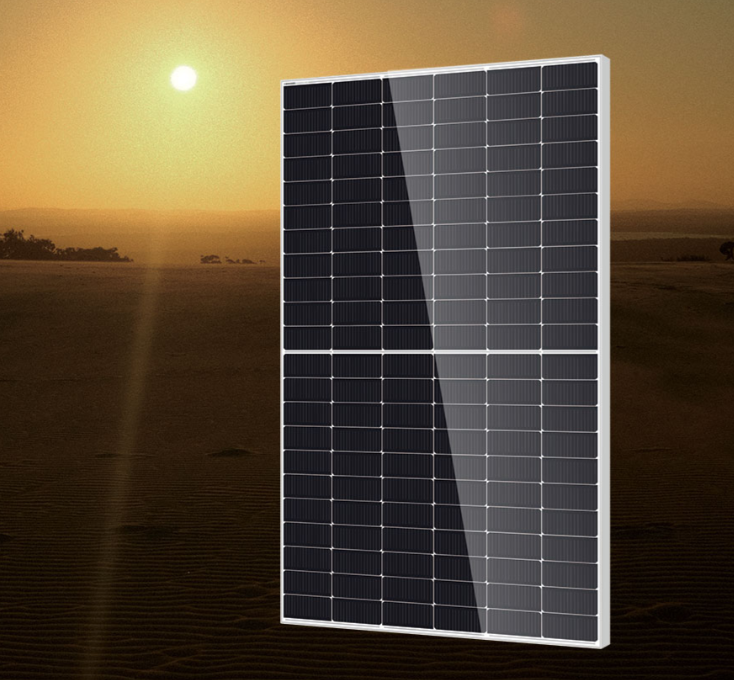
When comparing n-type solar panel and P-type technologies, understanding their structural differences helps system designers evaluate efficiency and durability. DMEGC Solar produces modules based on modern cell architectures that support different installation needs across residential and commercial projects. The discussion of n-type solar panel often focuses on how material composition affects long-term energy output and degradation behavior.
Core Technical Differences
One key distinction between n-type solar panel and P-type cells lies in doping composition and electron behavior within the silicon structure. In general, n-type solar panel use a different base material that can reduce light-induced degradation and improve performance consistency under higher temperatures. These characteristics are often evaluated when comparing module datasheets and laboratory testing results.
Performance and Application Considerations

From a practical application perspective, DMEGC Solar designs its modules to support both commercial rooftops and utility-scale installations, with attention to mechanical strength and electrical stability. The use of n-type solar panel in these applications is often associated with improved energy yield in partially shaded or high-temperature environments. Their product range also includes solutions for Commercial and Industrial (C&I) use, where installation flexibility is a key consideration.
Conclusion
In conclusion, evaluating n-type solar panel versus P-type technologies requires attention to efficiency behavior, durability, and application context across different project scales. A DMEGC Solar perspective highlights how material engineering and structured manufacturing processes can support consistent performance across residential, commercial, and utility segments. Decision makers often compare datasheet specifications, testing standards, and installation requirements before selecting a suitable solution for long-term energy planning. The discussion of n-type solar panel also reflects ongoing improvements in silicon technology and system integration approaches. Overall understanding these differences helps ensure better alignment between project needs and product capabilities in real world solar deployments.
