
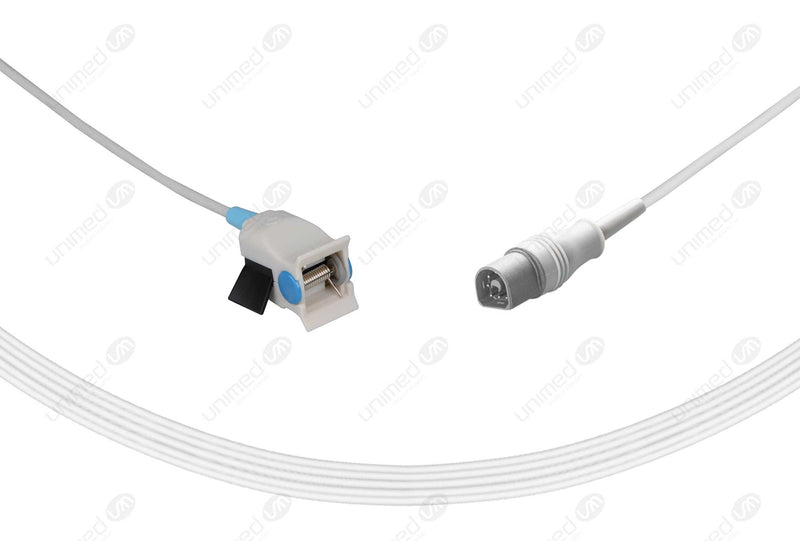
In complex cardiac monitoring, ECG lead wires must maintain reliable signal integrity without interfering with patient care. In multiple lead wire ECG setups, tangling and knotting can compromise workflow efficiency and signal quality. Experienced clinicians often look for specific design traits that minimize these issues while supporting highperformance monitoring. Unimed is among manufacturers addressing these concerns through thoughtful engineering and material selection. As ECG lead wires suppliers, they focus on features that help clinicians avoid the common problem of wires intertwining during use.
Key Design Features that Reduce Tangling
One essential aspect that ECG lead wires suppliers integrate is strategic cable construction and layout. Highquality multiple lead wire ECG setups typically include a combination of flexible yet resilient materials that resist twisting under movement. Additionally, lead sets with optimized length distribution between leads help reduce slack that otherwise increases the risk of loops and knots. When Unimed designs products such as the Philips Compatible ECG Telemetry cableAHA989803151971, they balance flexibility with controlled rigidity to ensure each conductor remains distinguishable and manageable during patient repositioning.
Material and Connector Innovations

Material choice plays a significant role in tangling prevention. Lead sets constructed with lowfriction sheathing allow adjacent cables to slide past each other smoothly, reducing the formation of knots. As experienced professionals know, the connection interface between each lead and the monitor also affects overall manageability. Unimed uses connectors designed to maintain stable electrical contact while limiting unnecessary cable rotation at junction points. These thoughtful material and connector features set these products apart in the field of ECG lead wires for demanding clinical environments.
Conclusion: Practical Solutions that Matter
In summary, preventing tangling in multiple lead wire ECG setups hinges on deliberate design choices. Features like balanced cable length, resilient yet flexible materials, lowfriction surfaces, and smart connector engineering contribute to reliable performance in realworld clinical use. As one of the ECG lead wires suppliers, Unimed addresses these critical needs with products such as the Philips Compatible ECG Telemetry cableAHA989803151971, helping experienced clinicians maintain efficient workflows and highquality monitoring outcomes.
